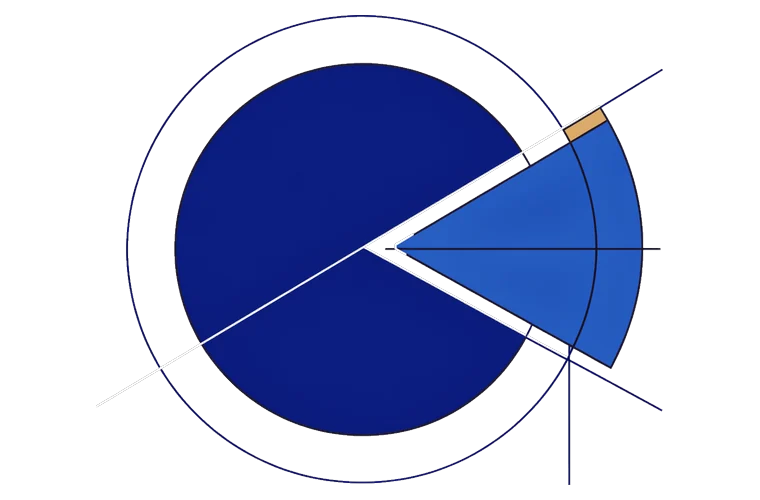
An exclusion is often described as fine print, as though it were something added to a policy to trap you. It is more accurate, and much more useful, to think of exclusions as the mechanism by which coverage is defined at all. The insuring agreement makes a deliberately broad promise. The exclusions cut that promise down to the risk the insurer actually priced. Without them the promise would be unpriceable, and the policy could not be sold.
Why any particular exclusion exists
Almost every exclusion you will meet exists for one of a handful of reasons, and working out which one you are looking at tells you immediately whether there is anything you can do about it.
- It is not a risk, it is a certainty
- Wear and tear, rust, rot, mechanical breakdown from age, gradual deterioration. These will happen to everything eventually. Insurance prices uncertain events, so maintenance is excluded as a matter of definition rather than as a matter of generosity.
- It belongs in a different policy
- Flood and earthquake in a homeowners policy, professional advice in a general liability policy, business use in a personal auto policy. The exposure is real and insurable, but it is rated and sold separately. These exclusions are the most fixable, because the coverage exists somewhere.
- It would be uninsurable as written
- War, nuclear hazard, and losses caused by government action. These are correlated events that would hit every policyholder at once, which is the one thing insurance cannot absorb.
- Paying for it would create the loss
- Intentional acts by the insured, and losses arising from criminal conduct. If a policy paid for deliberate damage, it would be buying deliberate damage.
- It is capped rather than excluded
- Some categories are not removed but limited, through a sublimit on a class of property or a cap on a type of claim. This looks like coverage in the summary and behaves like a partial exclusion in practice, which is why sublimits deserve the same attention.
The exclusions that are not really about the peril
A second family of exclusions has nothing to do with what happened and everything to do with the circumstances.
- Who was involved. Coverage can turn on whether the person driving, living in the property or performing the work counts as an insured under the definition. A household member excluded by name, a driver not listed, or a contractor who is not an employee can all move a loss outside the policy.
- What it was being used for. Commercial use, delivery and ridesharing exclusions in personal auto policies, and rental or business activity exclusions in homeowners policies, sit here. The vehicle and the house are covered; the activity is not.
- Where it was. Territory clauses, coverage that lapses once property is away from the premises beyond a stated period, and travel policies that exclude destinations subject to official advisories.
- When it started. Pre-existing conditions, prior known losses, and claims made after a policy has expired on a claims-made form. Timing is a common and under-appreciated basis for denial.
- What you did or did not do. Conditions requiring prompt notice, cooperation, protection of the property from further damage and accurate information. Breaching one of these is not technically an exclusion, but it produces the same result.
Anti-concurrent causation, and why a cause chain matters
Real losses rarely have one cause. A storm damages a roof, water enters, and the interior is ruined. Whether that is covered depends on which cause the policy treats as the operative one, and property policies address this explicitly. Some contain language stating that where an excluded cause contributes to a loss in any sequence, the loss is excluded, even if a covered cause also contributed. That clause does a great deal of work, and it is the reason a loss that feels obviously covered can be denied.
The practical consequence is that the cause chain is worth documenting at the time, in photographs and dated notes, rather than reconstructed later from memory.
What to do about an exclusion you do not want
- Find out which of the reasons above it belongs to. If it is there because the exposure is sold separately, the fix is to buy the separate thing.
- Ask whether an endorsement exists that buys the exclusion back. Many do, which is precisely why endorsements are listed on the declarations page.
- Ask whether the exclusion is absolute or conditional. Some apply only in defined circumstances, and the circumstances may be avoidable.
- If nothing buys it back, treat it as a known uninsured exposure and decide consciously how you will absorb it. That is a worse answer than coverage, and a much better answer than a surprise.
Reading the exclusions section without despairing
Exclusions are written as a list, which makes them feel endless and undifferentiated. Two habits make the list manageable. First, read the general exclusions that apply to the whole policy once and carefully, because they apply to everything else you read afterward. Second, when you are checking a specific coverage, read only the exclusions attached to it plus those general ones, and skip the rest until they are relevant.
If a particular exclusion would decide whether you are covered in a scenario you are genuinely worried about, ask the insurer in writing how it applies to that scenario, and keep the reply. It costs one email and it is the only version of the answer you can produce later.